Chanua
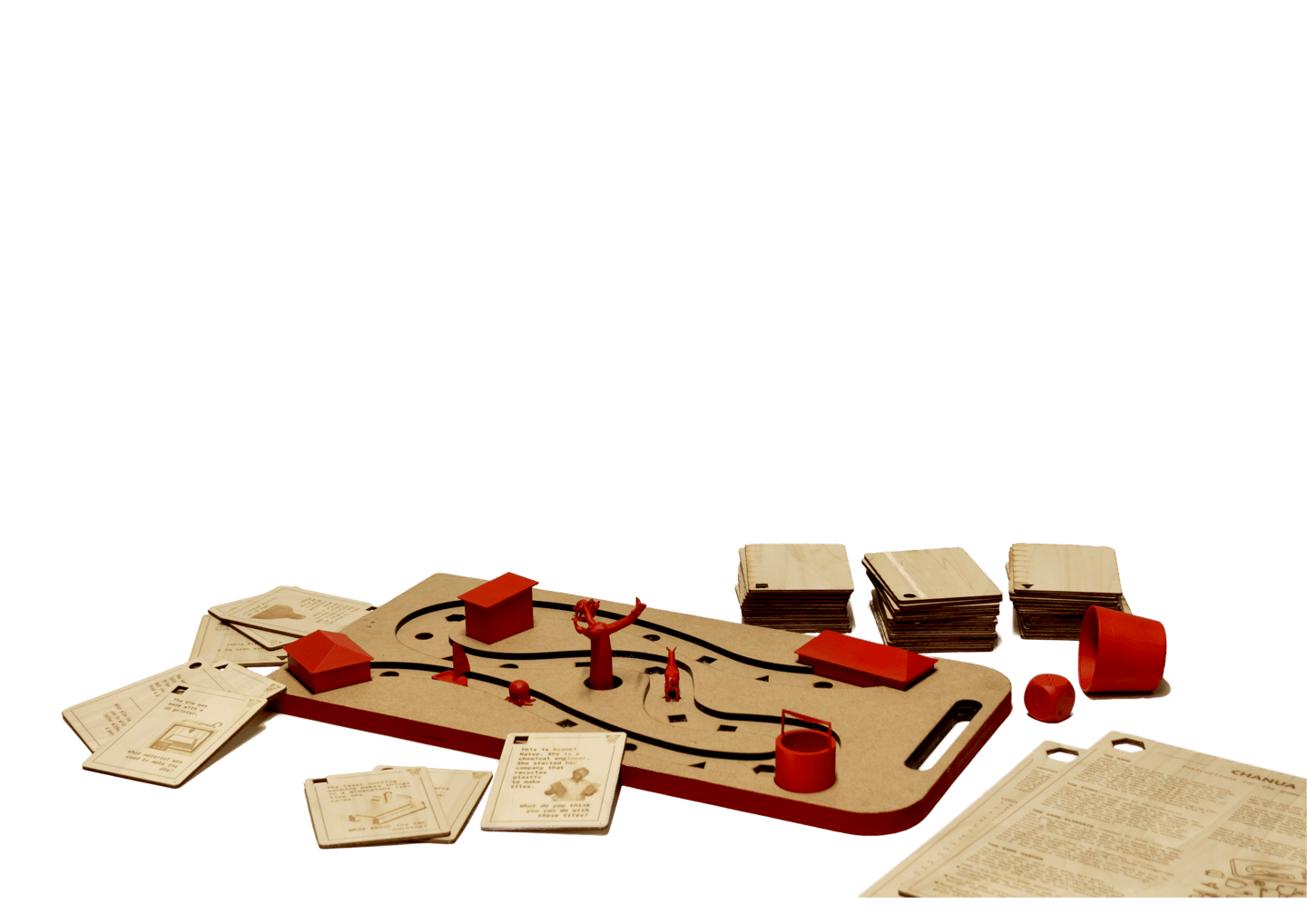
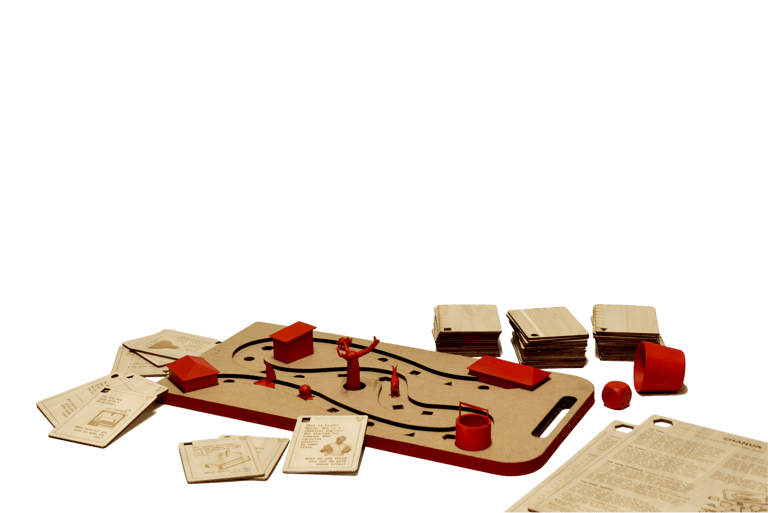
Co-design of a serious board game to engage young girls of a low-resource setting in Kenya in Science, Technology, Engineering and Mathematics (STEM) education.



10/2022 to 03/2023
Master's thesis project (individual)
Approach & process
Research-through-design : iterative and collaborative prototyping as a tool for understanding the context and problem scope
Although not linear, these are the key steps of my process :
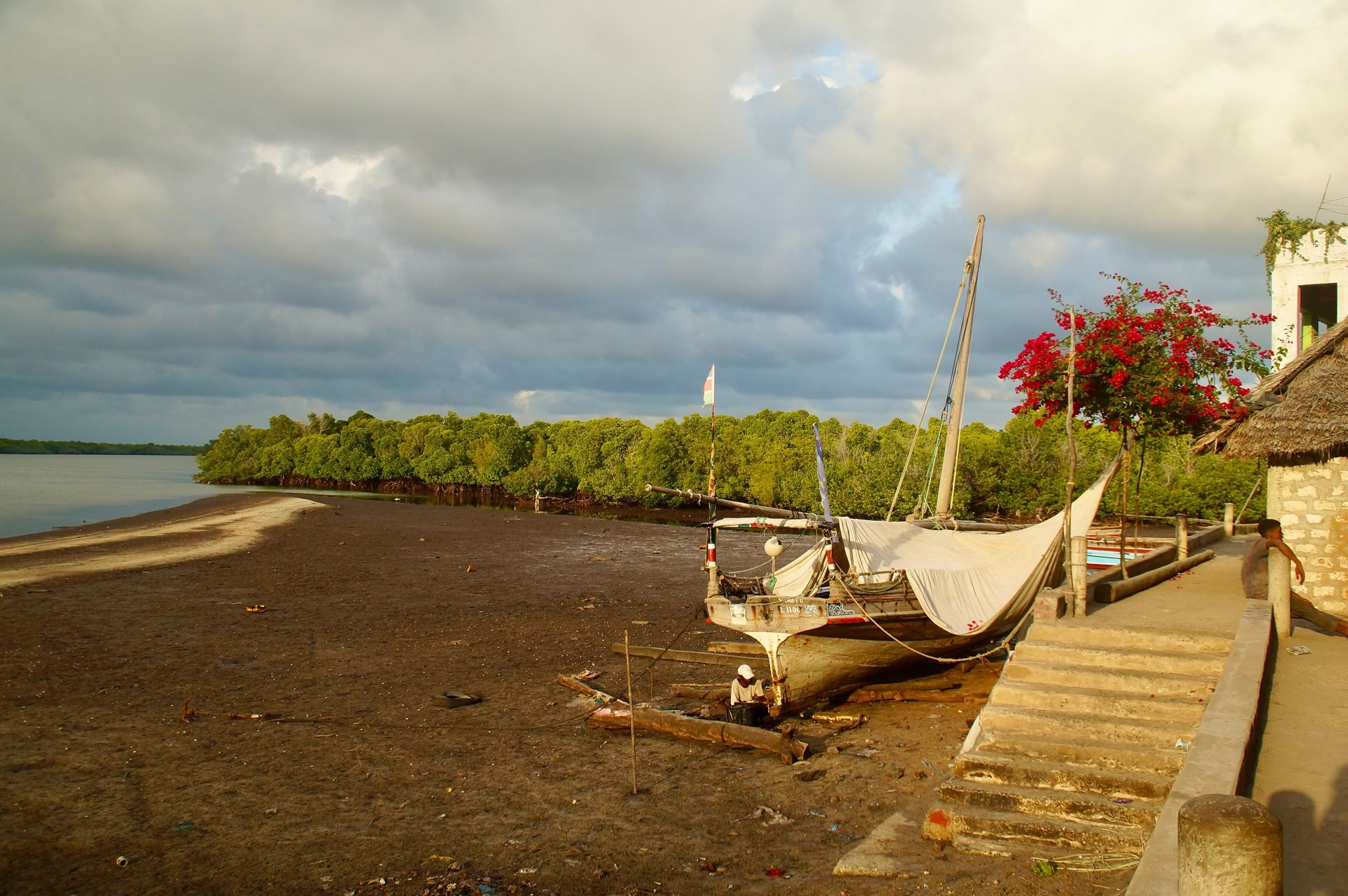
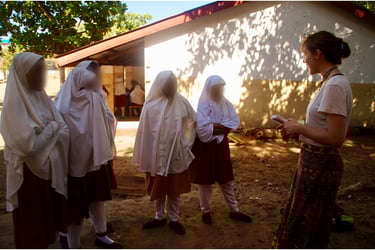
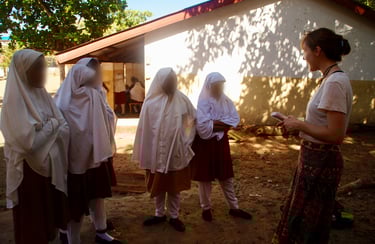
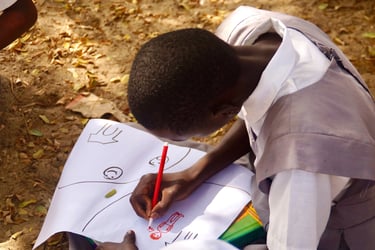
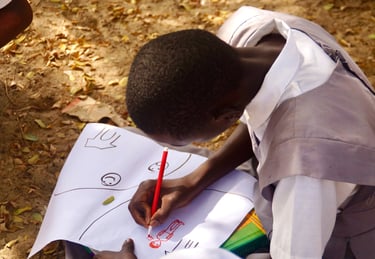
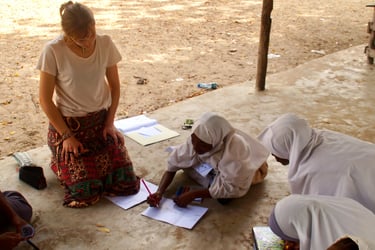
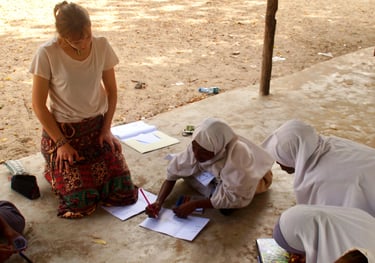
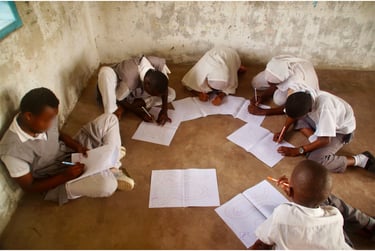
I immersed myself in the local context to understand the socio-cultural norms, beliefs and lifestyle.
1.
school visits and observations in class
context mapping with generative methods
low-fidelity prototype testing
Field research
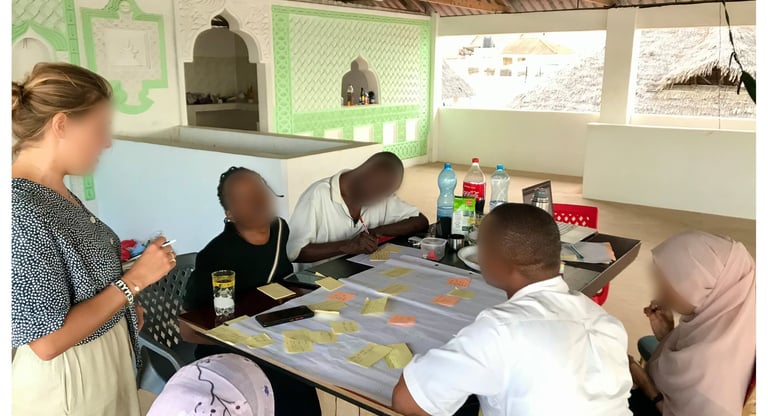
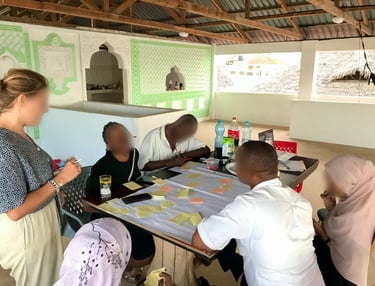
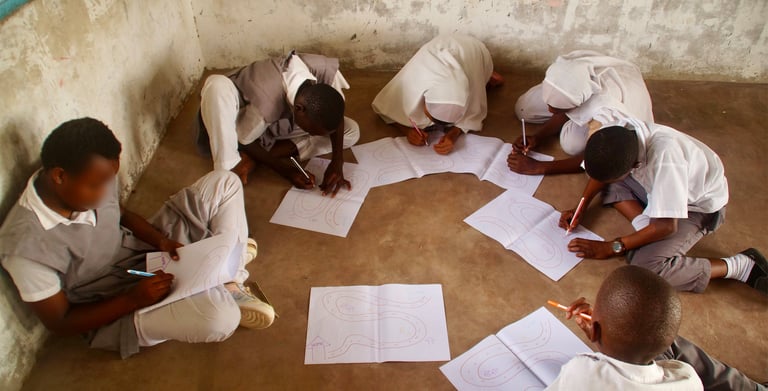
2.
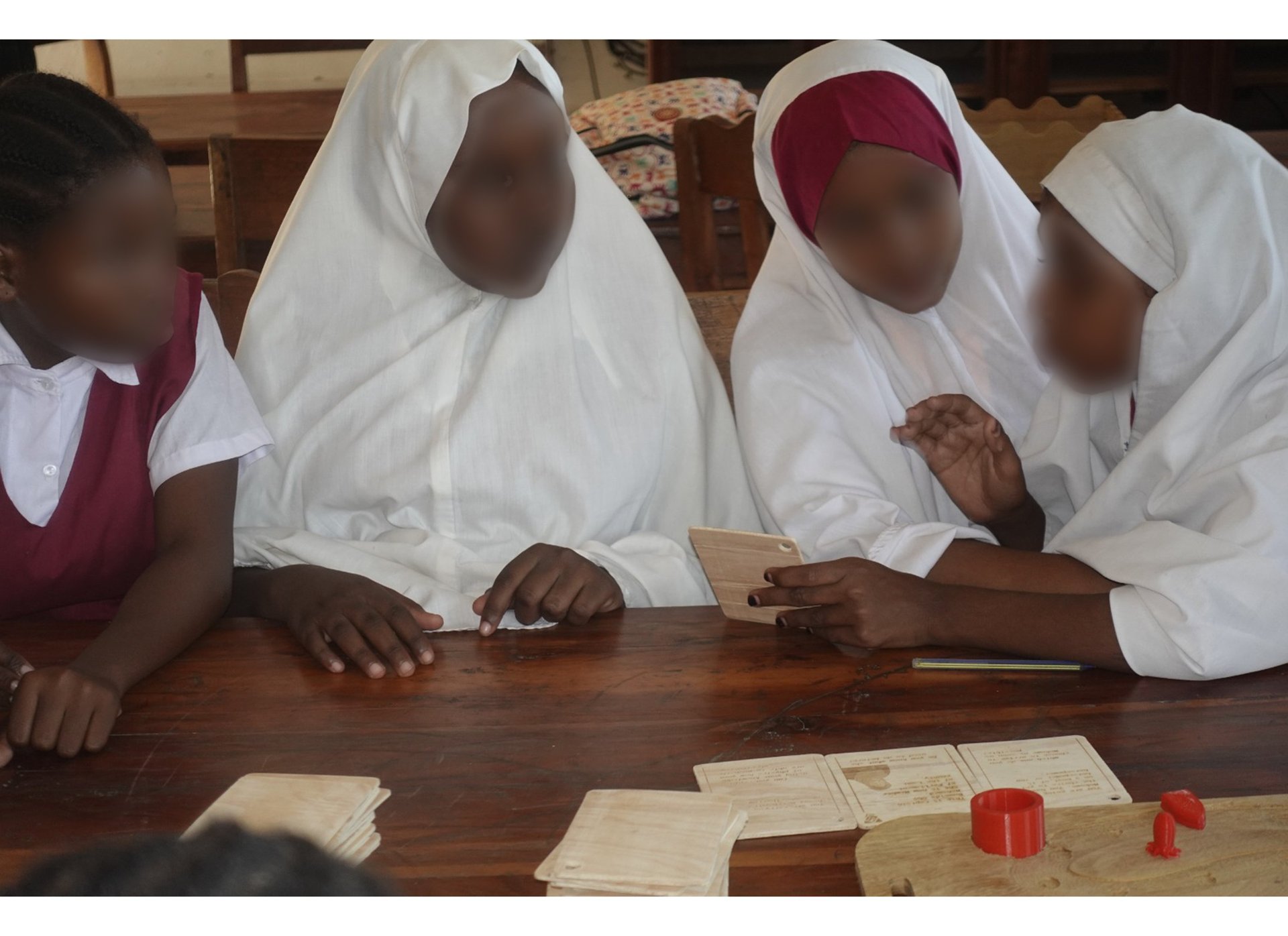
Using participatory approaches, I iteratively co-designed prototypes with both the users and stakeholders.
and with the girls to ensure desirability and suitability
with the school teachers and Red Cross volunteers to create ownership
Co-creation
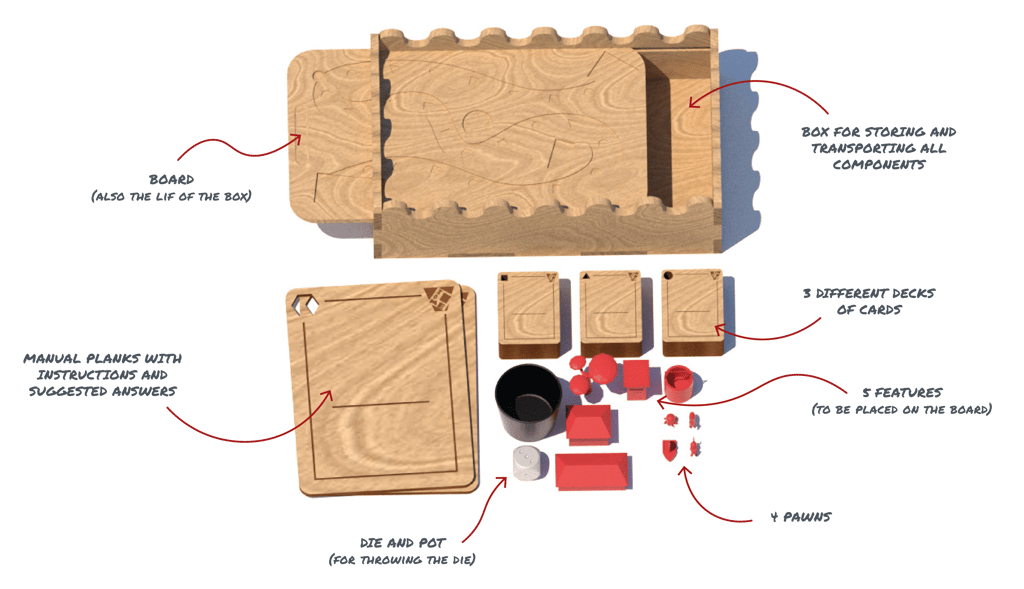
The board game is designed to use local resources: expertise and machinery from the Red Cross maker space, and materials found nearby.
3.
Local manufacturing
CHANUA is a Kiswahili word which, directly translated means enlighten. It implies elevating someone’s mental state to become curious about a certain topic.
Often associated to technological advancements, the word refers to someone going through a learning journey at the end of which they will master the knowledge and skills.
4.
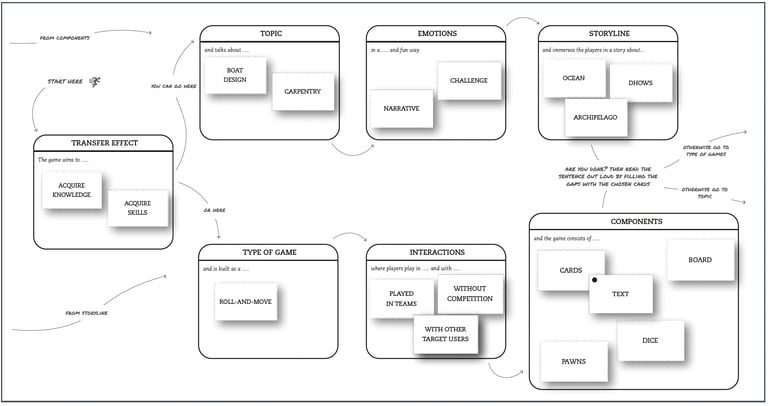
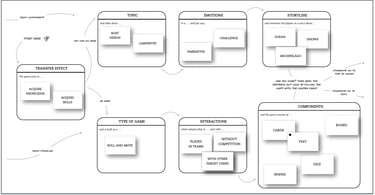
I developed a user-friendly methodological toolkit for designing serious games to support local capacity building. This one is based on and combines several game design approaches from the literature.
screenshot of the filled toolkit with an example - low quality image
Game design method standardisation
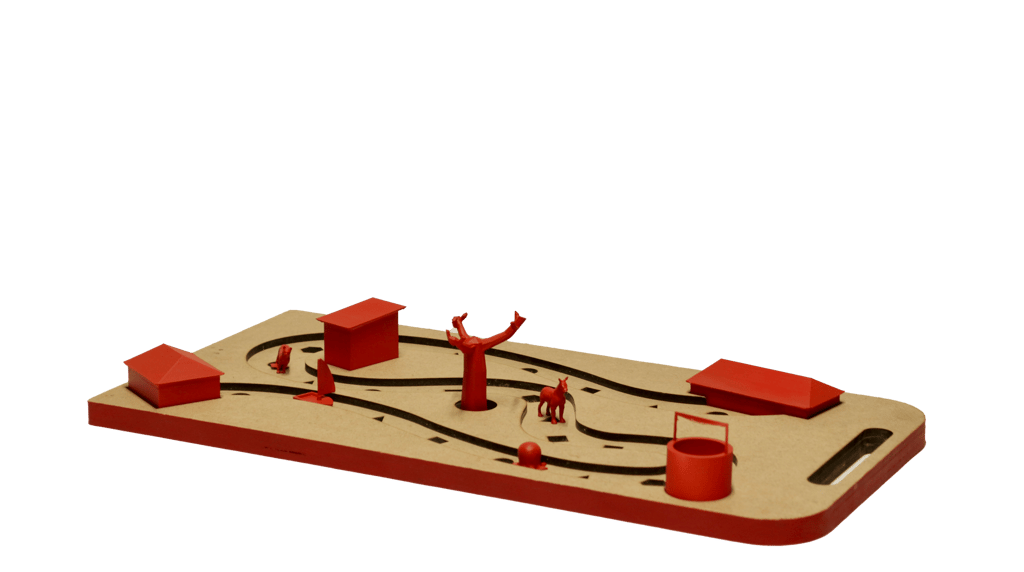
CHANUA is a fun game that engages young girls of the Lamu Island in STEM education. It mirrors real-life situations on the island and encourages critical thinking and scientific curiosity. The game promotes
A final user test was conducted with girls from a local school to evaluate the feasibility, desirability and viability. The game :
is made with local resources
is co-designed with all actors to fit into the socio-cultural context and must be facilitated by an adult
includes features from the girls' surroundings and game elements from popular games such as Ludo
is reproducible thanks to the ready-to-be-used serious game design method developed for the maker space
Evaluation :
Results :
5.
Final concept
teamwork, builds knowledge and confidence, andsparks important discussions about girls in STEM. Finally, exposition to the game contributes to enhancing female community resilience.


Reflection & learnings
execute a research-through-design project
design with and for children from a different culture
conduct a multi-stakeholders project
learn game design and create method tailored to local needs for capacity building
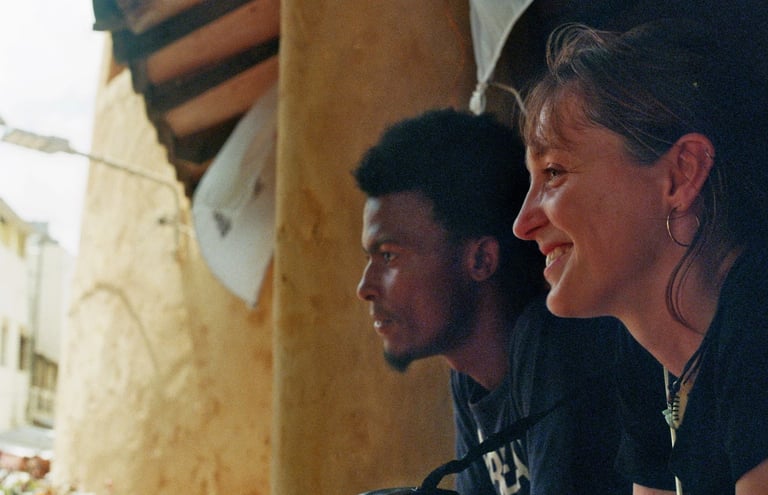
My main reflection is that although the initiative showed success, I believe my time in the field was too brief to fully absorb the culture and I recommend spending more time amongst the locals to design a game that fits the context even better.
"
"
Check my other projects