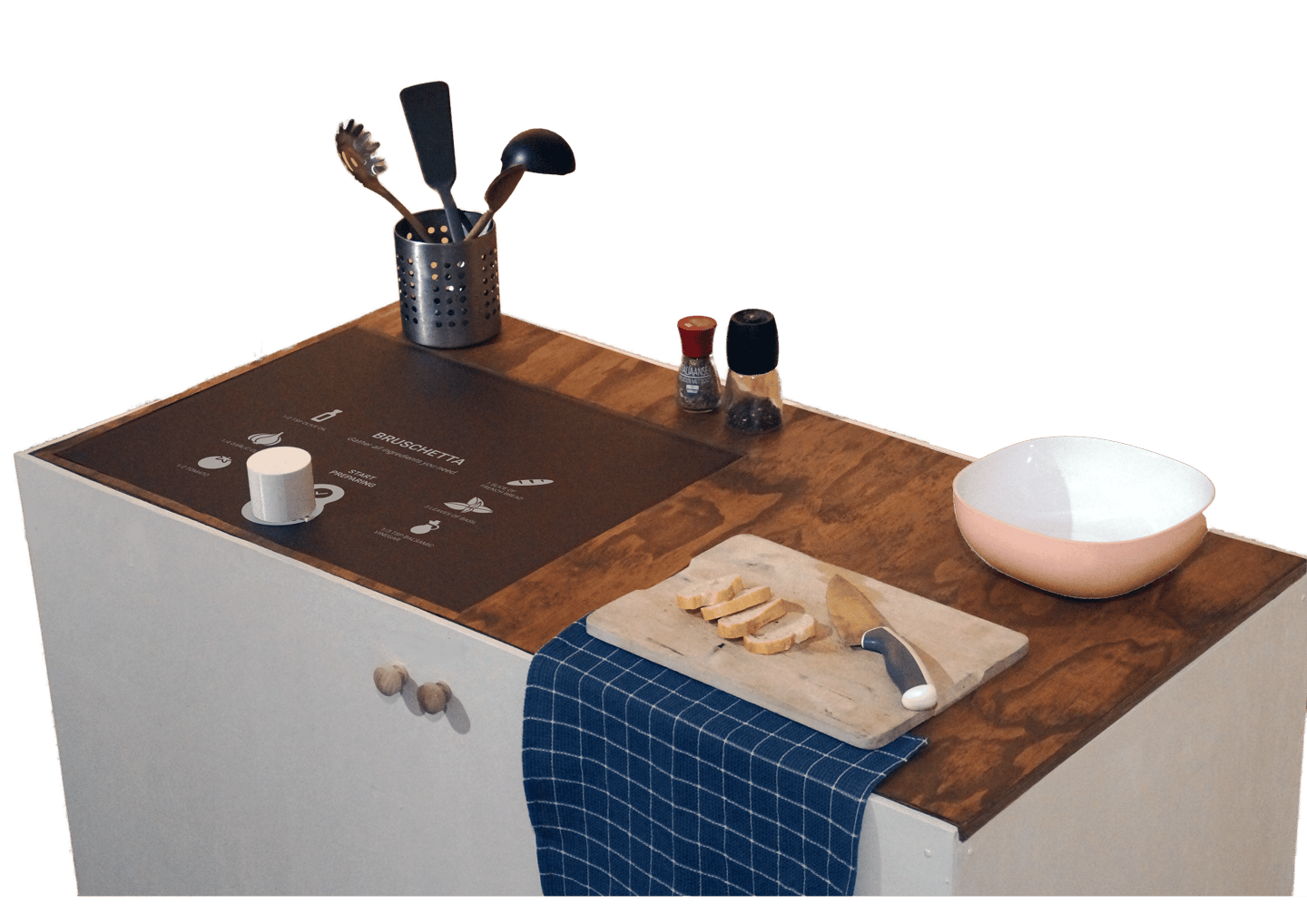
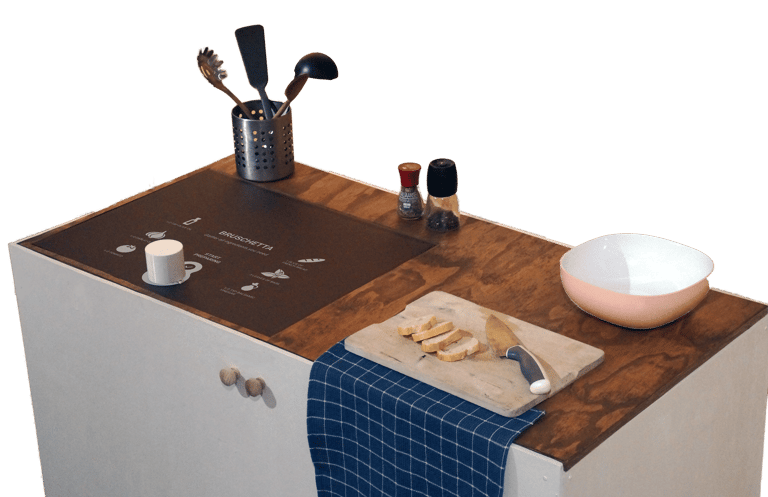
Design of a smart kitchen top with an AI embedded interface guiding home cooks to adopt a sustainable eating lifestyle.
Group project
02 to 06/2021
Prototyping lead and knob designer
Jamie
Approach & process
Exploring interactions : sprint-like, iterative approach to explore the design of interactions with new technologies — through continuous improvement and systematic reflection
Although not linear, these are the key steps of my process :
1.
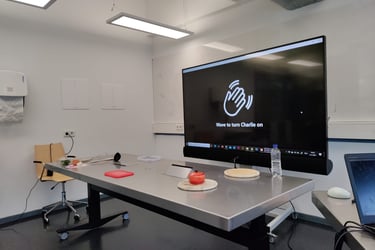
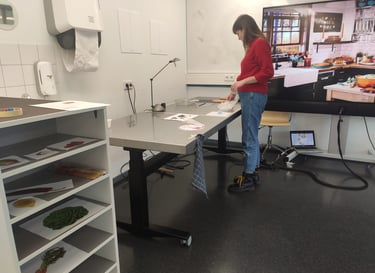
several types of interactions: gesture, auditive, tactile
the value users see in integrating technology in their kitchen
the role design can play in using AI and other technologies
Exploration
Using cooking—a shared passion—as our starting point, we explored its many dimensions through a series of focused sprints.
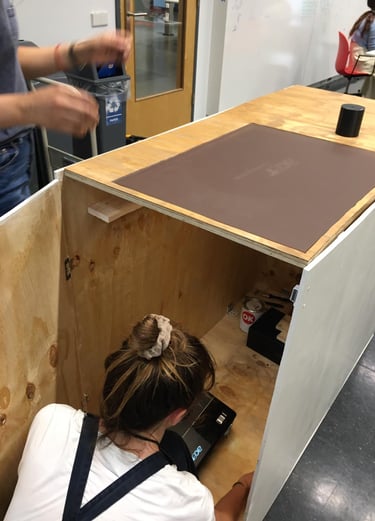
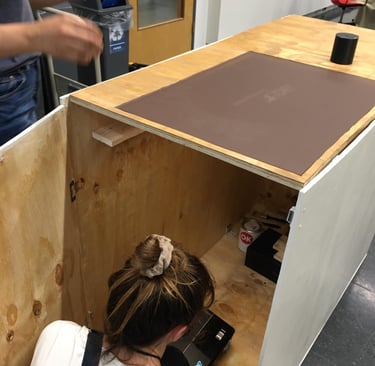
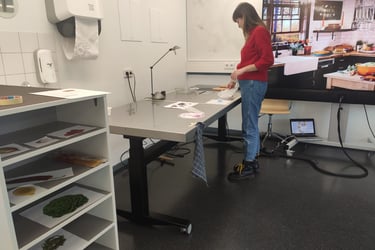
by developing a series of small, usable prototypes of the different elements of a kitchen counter
and eventually combining them into the final concept, including an interactive knob
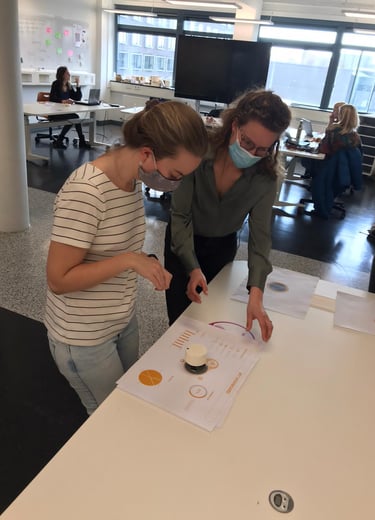
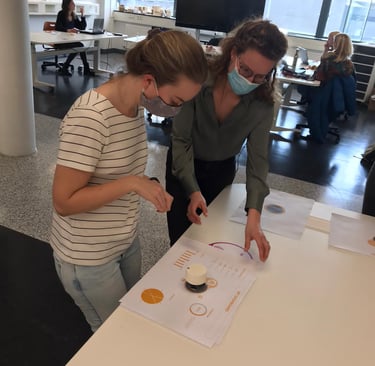
Incremental prototyping
2.


I designed the knob to give haptic feedback to users, providing a physical dimension to the digital interactions with the screen on the kitchen counter.
3.
High-fidelity prototyping
Exhibition
The knob allows users to have physical and direct interactions with Jamie.
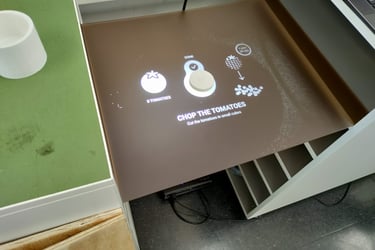
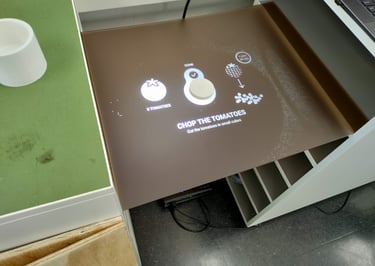
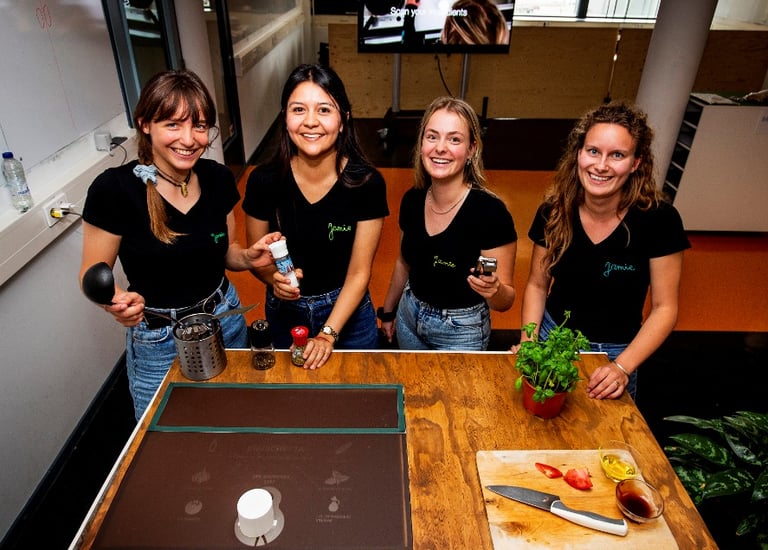
The interface, displayed with a beamer onto an Acrylic sheet, is seamlessly integrating to the kitchen counter, making it easy to follow instructions.
The AI recognises ingredients placed on the counter, suggests recipes with those and guides the user through the selected one.
4.
Evaluation :
We showcased our kitchen countertop so users could experience the designed workflow, test the several interactions and share their feedback.
Result :
Jamie is an AI cooking assistant who supports the user in consuming food more sustainably. It is especially designed to reduce food waste by cooking with leftovers at home.
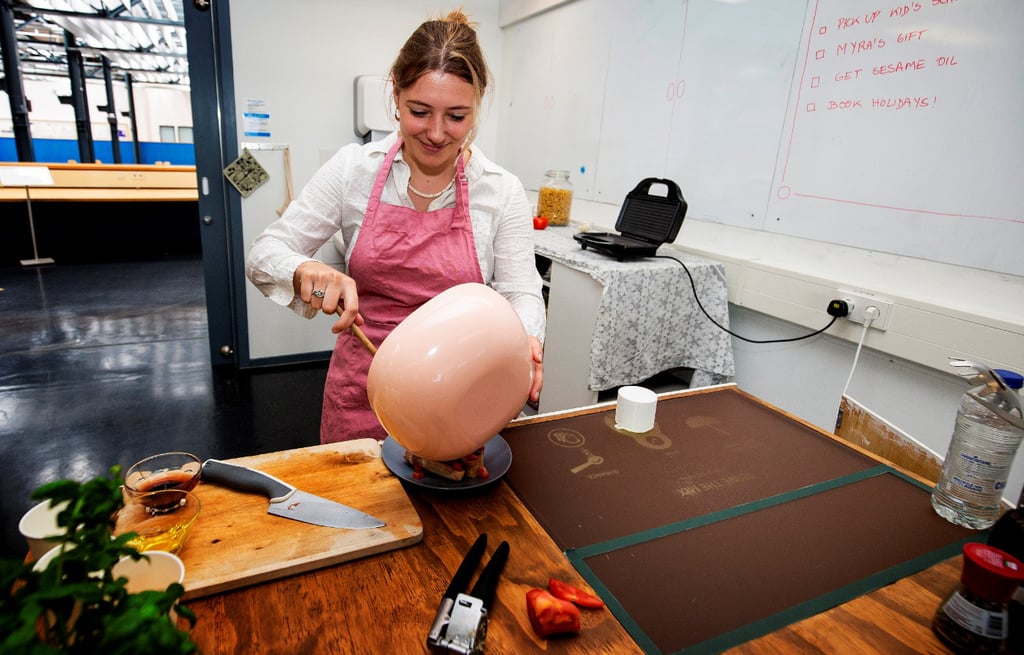
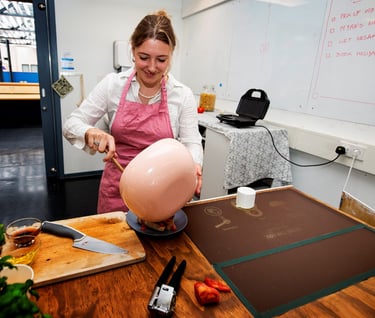
”It made me discover new ways to cook, and be creative with the ingredients I already have at home”
- participant testing our cooking experience


Reflection & learnings
design by incremental prototyping, continuous improvement and systematic reflection
translate early-stage ideas into low-fidelity prototypes and gather feedback through user testing
blend my engineering skills with UX/UI practices
adapt day-to-day interactions to integrate new technologies
Our most difficult but interesting group discussion focused on the level of disruption our intervention should introduce in the kitchen — a down-to-earth, humanly convivial and even intimate space.
"
"
Check my other projects